


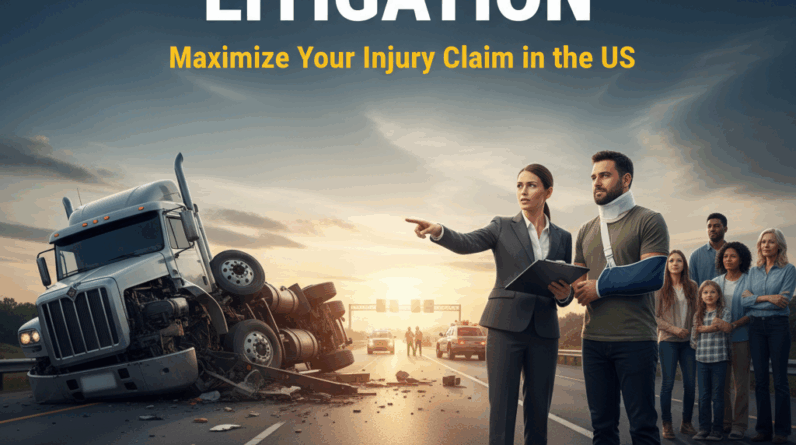
The roar of an 18-wheeler can be intimidating, but nothing compares to the devastation a truck accident can leave in its wake. Unlike typical car collisions, accidents involving commercial trucks are inherently more complex, often resulting in catastrophic injuries and a labyrinth of legal challenges. If you or a loved one has been involved in such an incident, understanding the nuances of truck accident litigation is paramount to maximizing your injury claim.
Why Truck Accidents Are Different
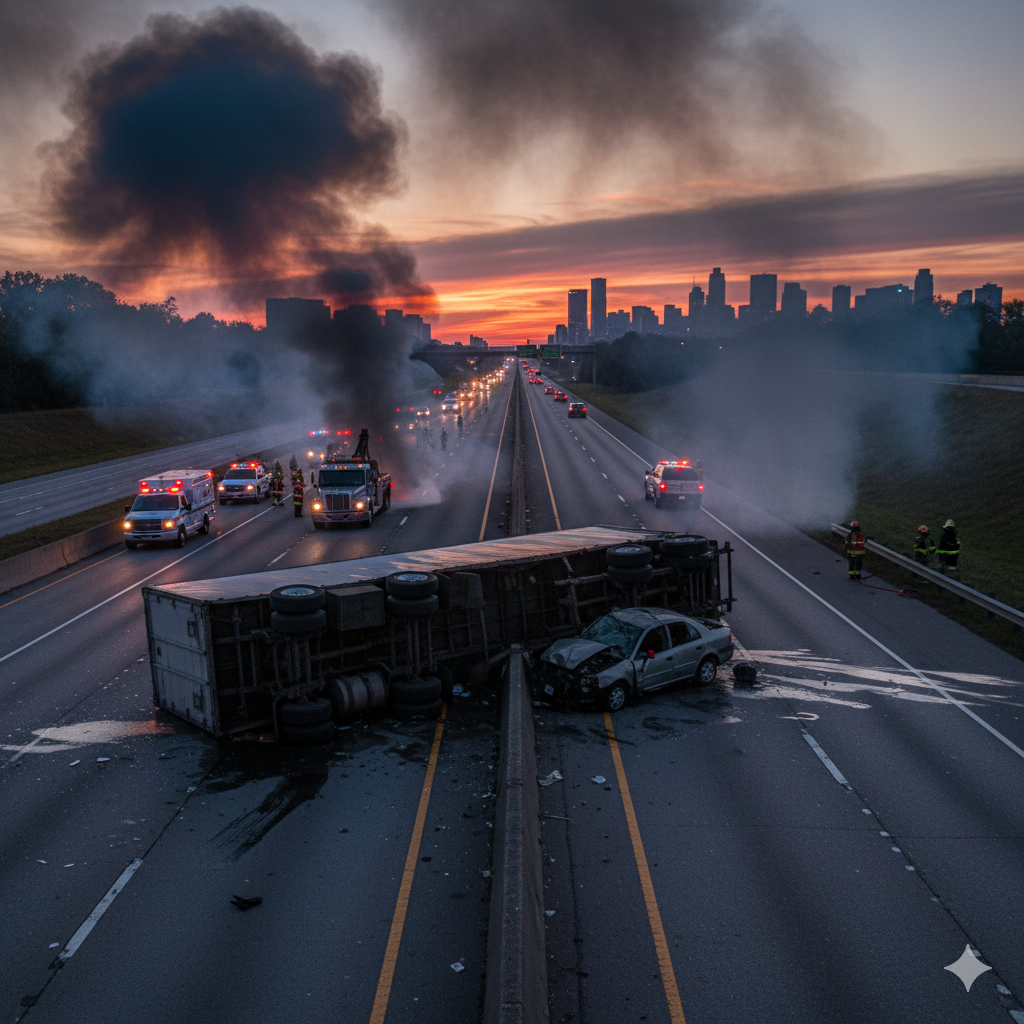
At first glance, an accident is an accident, right? Not quite. Truck accidents bring an entirely different set of rules and stakes to the table. For starters, the sheer size and weight of a commercial truck mean injuries are typically far more severe – think broken bones, spinal cord injuries, traumatic brain injuries, and even fatalities.
Beyond the physical impact, the legal landscape shifts dramatically. You’re not just dealing with another driver and their insurance; you’re often up against powerful trucking companies, their corporate legal teams, and multiple insurance providers. These entities are well-versed in minimizing payouts, making experienced legal representation not just an advantage, but a necessity.
The Immediate Aftermath: What You Need to Do

Your actions in the moments following a truck accident can significantly impact your future claim.
- Seek Medical Attention Immediately: Even if you feel fine, internal injuries might not be apparent. Your health is paramount, and medical records create a crucial paper trail.
- Report the Accident: Call 911. A police report is an official document detailing the initial findings, driver information, and contributing factors.
- Gather Evidence (If Safe): Take photos and videos of the scene, vehicle damage, road conditions, traffic signs, and any visible injuries. Exchange information with the truck driver and any witnesses.
- Do NOT Admit Fault or Give Recorded Statements: Anything you say can and will be used against you. Let your attorney handle communication with insurance companies.
Understanding Liability: Who is at Fault?

Determining liability in a truck accident isn’t always straightforward. While the truck driver might seem like the obvious culprit, numerous parties could share responsibility:
- The Truck Driver: For negligence like fatigued driving, distracted driving, speeding, or driving under the influence.
- The Trucking Company: For negligent hiring, inadequate training, pressuring drivers to violate HOS (Hours of Service) regulations, or failing to maintain their fleet.
- The Truck Manufacturer: If a faulty part or design contributed to the accident.
- Maintenance Crews: For improper maintenance or repairs.
- Cargo Loaders: If the cargo was improperly secured, leading to an unstable load.
- Third-Party Vendors: Involved in various aspects of the truck’s operation or maintenance.
An experienced truck accident attorney will conduct a thorough investigation, often involving accident reconstructionists and expert witnesses, to identify all responsible parties.
The Legal Process: From Investigation to Settlement or Trial

Navigating truck accident litigation typically follows several stages:
- Investigation: Your attorney will meticulously gather evidence, including driver logs, maintenance records, black box data, police reports, witness statements, and medical records.
- Demand Letter: Once the full extent of your damages is understood, your attorney will send a formal demand letter to the at-fault parties’ insurance companies, outlining your injuries and requested compensation.
- Negotiation: This is where most cases are resolved. Your attorney will negotiate fiercely for a fair settlement, leveraging the gathered evidence.
- Lawsuit Filing: If negotiations fail to yield a satisfactory offer, a lawsuit may be filed, initiating the formal court process.
- Discovery: Both sides exchange information, conduct depositions, and gather further evidence.
- Mediation/Arbitration: Often, an impartial third party will attempt to facilitate a settlement before trial.
- Trial: If all else fails, your case will proceed to trial, where a judge or jury will determine liability and damages.
Maximizing Your Injury Claim: The Role of an Attorney

To truly maximize your injury claim, partnering with a seasoned truck accident attorney is crucial. They bring:
- Expert Knowledge: Understanding federal trucking regulations (FMCSA), state laws, and the complex insurance policies involved.
- Investigation Resources: Access to experts who can reconstruct accidents and analyze technical data.
- Negotiation Skills: The ability to counter lowball offers and fight for the full value of your damages.
- Litigation Experience: Preparing your case for trial if a fair settlement can’t be reached.
Your claim can include compensation for medical expenses (past and future), lost wages, loss of earning capacity, pain and suffering, emotional distress, and property damage. Without expert legal guidance, you risk leaving significant compensation on the table.
In the aftermath of a truck accident, focusing on your recovery is paramount. Let a dedicated legal team handle the complexities of litigation, ensuring your rights are protected and you receive the justice and compensation you deserve.